
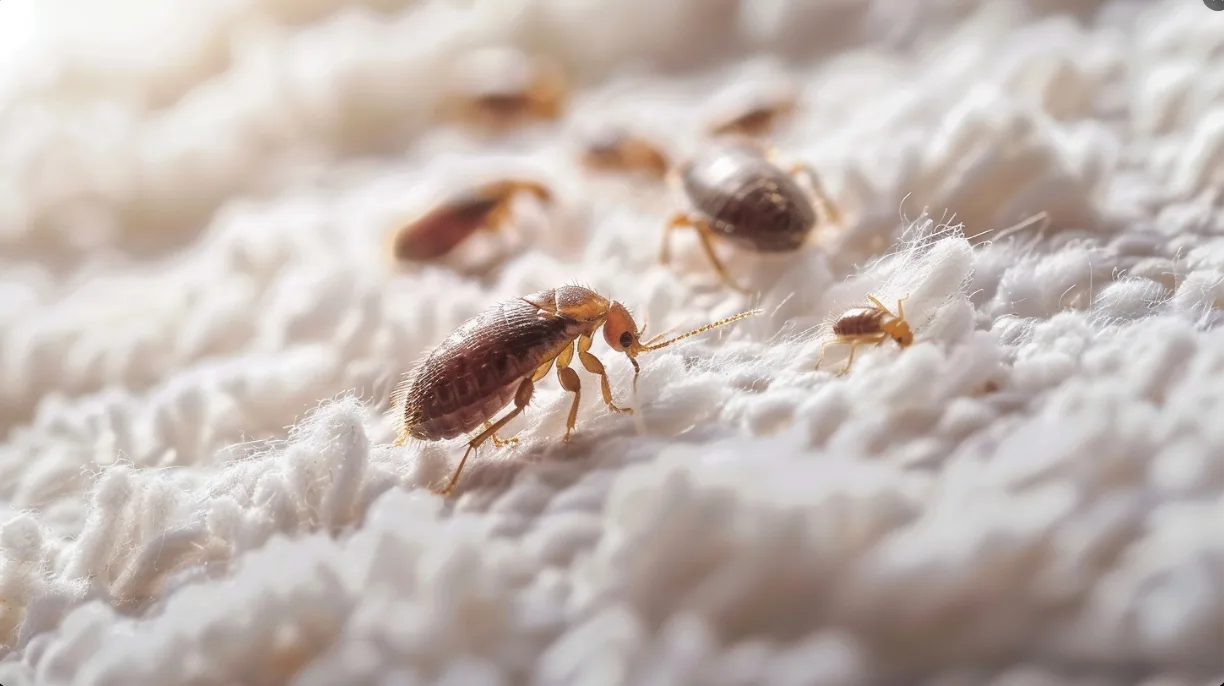


Flea Control in Southern Indiana

Reach out today for your free, no-obligation estimate on flea services.

Call Us Now
Phone: (930) 237-0836
Reviews (102):
4.9/5

Year-Round Availability

Fleas don't take breaks, and neither do we. Our team is ready to help with your flea problem whenever you need us most!

Experienced Local Team

Looking for reliable flea treatment from people who know the area? Our skilled technicians respond quickly to get your home comfortable again!

Scheduling That Works for You

Busy schedule? No problem! We'll find a time that fits your routine and send a trusted professional right to your door!

Get Your Free Estimate Today

Contact us today for professional service and free estimates

Call Now

Reliable Flea Control Services in Southern Indiana

Dealing with fleas in your home can be incredibly frustrating. These tiny pests multiply rapidly, and what starts as a minor problem can quickly become a full-blown infestation affecting your family and pets. Our flea control services in Southern Indiana are designed to eliminate active flea populations, target eggs and larvae, and help reduce the likelihood of future problems. Fleas are persistent because they reproduce in multiple stages, with eggs and larvae hiding deep in carpets, furniture, and pet bedding where they're difficult to reach.

Indiana's climate provides favorable conditions for flea activity, especially during warmer months when outdoor populations thrive. Pets can easily bring fleas inside from yards, parks, or wooded areas, where the pests quickly establish themselves indoors. We start every service with a careful inspection to assess the severity of the infestation and identify where fleas are breeding. Understanding the scope of the problem allows us to develop a treatment plan tailored to your specific situation, focusing on both immediate relief and long-term prevention.

How Fleas Impact Southern Indiana Households

Fleas are more than just a nuisance—they can cause significant discomfort for both people and pets. Their bites result in itchy, irritated skin, and some pets develop allergic reactions that lead to excessive scratching, hair loss, and skin infections. For families with young children or sensitive individuals, flea bites can be particularly bothersome.

Beyond the physical discomfort, fleas reproduce at an alarming rate. A single female flea can lay hundreds of eggs over her lifetime, and those eggs fall off pets into carpets, bedding, and furniture. The larvae that hatch feed on organic debris and develop in hidden areas before emerging as adults ready to feed again.

Thorough Flea Inspection and Treatment Approach

Effective flea control requires more than just treating visible adult fleas. Our approach focuses on breaking the entire flea life cycle by addressing eggs, larvae, pupae, and adults. During our inspection, we examine areas where pets spend time, check carpeting and upholstery, and look for signs of flea activity such as flea dirt (digested blood) and eggs.

Treatment is applied strategically to high-activity zones including pet resting areas, carpets, baseboards, furniture, and any cracks or crevices where larvae might hide. We use methods designed to eliminate fleas at various life stages while being mindful of your family's safety and your pets' well-being. Timing is important, as pupae are protected by cocoons and may require follow-up attention as they emerge.

We also provide practical recommendations for supporting the treatment process, such as vacuuming schedules, laundering pet bedding, and coordinating with your veterinarian for pet treatments. Addressing fleas both indoors and on pets simultaneously gives you the best chance for complete elimination.

Why Store-Bought Flea Products Often Disappoint

Many homeowners try over-the-counter flea sprays, foggers, or powders before calling for professional help. While these products may kill some adult fleas, they often fail to reach eggs and larvae embedded deep in carpet fibers or hidden beneath furniture. Foggers can also miss areas under beds and in closets where fleas continue to develop.

Without addressing the full life cycle and treating all affected areas thoroughly, flea populations rebound quickly, leaving families dealing with the same problem weeks later.

Preventing Fleas from Returning to Your Home

Once active fleas are under control, prevention becomes essential. Fleas thrive in environments where pets are present and where they can find undisturbed areas to reproduce. Taking proactive steps can significantly reduce the chance of reinfestation.

Keep your pets on veterinarian-recommended flea prevention products year-round, even during cooler months when outdoor activity seems lower. Vacuum carpets, rugs, and upholstered furniture frequently, paying special attention to areas where pets rest. Dispose of vacuum bags or empty canisters immediately after use to prevent fleas from escaping. Wash pet bedding, blankets, and any washable fabric items in hot water regularly.

Maintain your yard by mowing grass, removing leaf litter, and reducing areas where wildlife might introduce fleas near your home. Limiting your pet's exposure to heavily wooded areas or spaces where other animals frequent can also help.

Lasting Flea Protection for Your Family

Flea control works best when treatment and prevention go hand in hand. Even after you stop seeing fleas, dormant pupae can remain in your home for weeks, emerging when conditions are right. Staying vigilant and maintaining good household practices help ensure the problem doesn't come back.

A complete approach combines professional treatment with ongoing monitoring and smart prevention habits. By eliminating active infestations and addressing the factors that allow fleas to thrive, you can protect your family, pets, and home from future flea problems.

FAQ

Frequently Asked Questions

Common signs include seeing small jumping insects on pets or furniture, noticing your pets scratching more than usual, finding small red bite marks on your ankles or legs, and spotting tiny black specks (flea dirt) on pet bedding or light-colored surfaces. You might also see fleas jumping on carpets or rugs, especially in areas where pets rest frequently. If you suspect fleas, a professional inspection can confirm the presence and extent of the infestation.

Fleas have a complex life cycle with four stages: egg, larva, pupa, and adult. While treatments can kill adult fleas and larvae, pupae are protected inside cocoons that resist most treatments. These pupae can remain dormant for weeks before emerging as adults. Additionally, flea eggs fall off pets and scatter throughout your home, hiding deep in carpet fibers and furniture where they're hard to reach. Complete elimination requires targeting all life stages and treating the entire environment.

Yes, fleas can survive in homes without pets for limited periods. If a previous pet owner had a flea problem, pupae can remain dormant for months waiting for a host. Fleas can also feed on humans when preferred hosts aren't available, though they prefer animals. Additionally, wildlife like raccoons, opossums, or rodents near your home can introduce fleas that find their way indoors through small openings.

You should notice a significant reduction in flea activity within 24-48 hours after treatment. However, complete elimination typically takes 2-4 weeks because pupae continue emerging during that time. This is normal and expected—newly emerged fleas contact treated surfaces and are eliminated. Most situations require a follow-up visit to address any remaining activity and ensure the infestation is completely resolved.

Vacuum all carpets, rugs, and upholstered furniture thoroughly before treatment, then discard the vacuum bag or empty the canister outside. Wash all pet bedding, blankets, and removable fabric items in hot water. Remove pets, their food bowls, and toys during treatment. Clear floors of clutter and small items to allow access to baseboards and corners. Keep pets on their veterinary flea prevention products, and plan to continue vacuuming regularly after treatment to remove emerging fleas.

Professional flea treatments are designed with safety in mind when applied according to label directions. We use products that are effective against fleas while minimizing risk to people and pets. During treatment, pets and family members should leave treated areas until surfaces dry completely, typically 2-4 hours. After that time, the treated areas are safe to reoccupy. We provide clear instructions on any precautions specific to your treatment plan and answer all safety questions before beginning service.

📍 On the map

Get Your Free Estimate Today

Contact us today for professional service and free estimates

Call Now

Why Choose Derrek's Pest Control for Flea Elimination

Southern Indiana's Trusted Flea Treatment Professionals

With years of experience protecting homes throughout Southern Indiana from stubborn flea infestations, we deliver effective results through targeted treatment methods and personalized service.

1
Licensed Indiana pest control experts trained in comprehensive flea life cycle management
2
Detailed inspection process uncovers hidden breeding sites and active flea zones
3
Family-friendly and pet-safe treatment options that eliminate fleas without harsh chemicals
4
Complete approach treats carpets, furniture, pet areas, and outdoor entry points
5
Responsive service with rapid scheduling to address urgent flea problems quickly
6
Clear communication and helpful prevention guidance after every service visit
7
Follow-up support available to ensure your home stays flea-free long-term

Our Comprehensive Flea Elimination Process

Step-by-step approach ensures complete removal and lasting relief

Our proven flea control process addresses every stage of the flea life cycle, ensuring thorough elimination and helping prevent future infestations in your home.

1
Free Consultation: Contact us to schedule your no-obligation flea inspection at a time that works for you
2
Detailed Home Assessment: Inspect all affected areas including carpets, furniture, pet zones, and potential breeding sites
3
Life Cycle Evaluation: Identify eggs, larvae, pupae, and adult fleas to create a complete treatment strategy
4
Customized Treatment Plan: Design a targeted approach based on infestation severity and your home's unique layout