
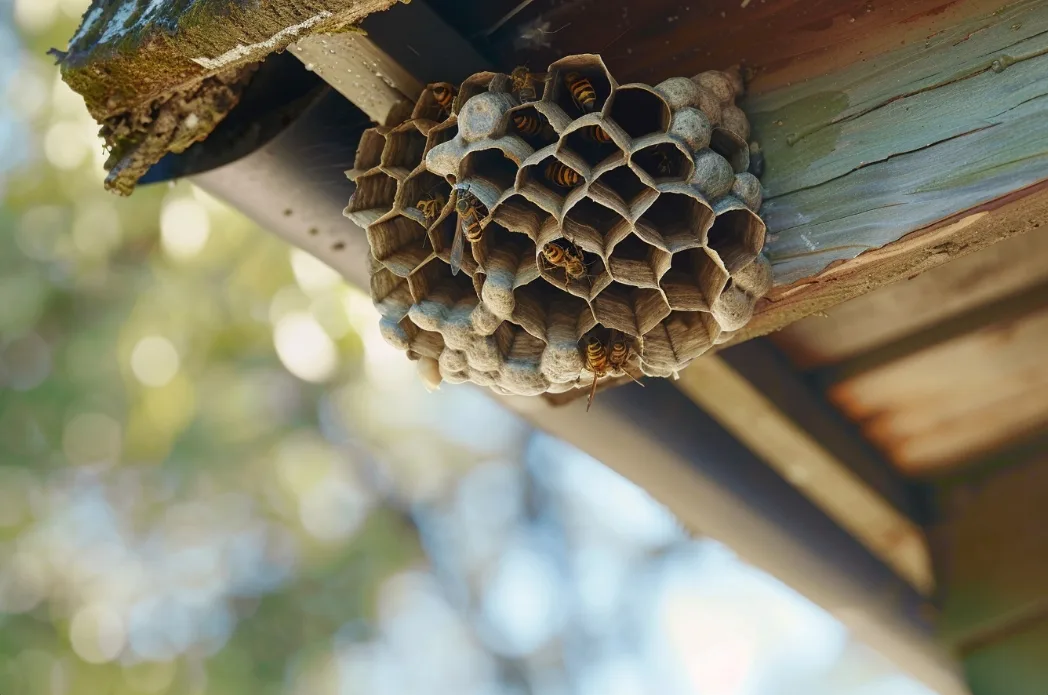


Preventing Future Stinging Insect Problems
After addressing active nests, prevention becomes important for long-term peace of mind. Wasps, hornets, and yellow jackets return to areas that provide shelter, food sources, and suitable nesting sites. Understanding what attracts them helps reduce the chance they'll choose your property for their next colony.
Inspect your property regularly during spring when queens emerge to start new colonies. Early detection of small nests makes removal much easier and safer. Seal gaps around windows, doors, vents, and siding where insects might enter wall voids or attic spaces. Remove potential food sources by keeping outdoor garbage cans tightly sealed and cleaning up fallen fruit from trees promptly.
Reduce standing water sources that attract insects looking for hydration. Keep landscaping trimmed away from your home's exterior to eliminate protected nesting spots. Remove old nests after treatment, as some species are attracted to previous nesting sites. Consider relocating wood piles, compost bins, and dense shrubs away from high-traffic areas where encounters with stinging insects would be most dangerous.
Protecting Your Family and Property
At Derrek's Pest Control, stinging insect control is about more than comfort—it's about safety. Children playing outdoors, guests using your patio, and routine property maintenance all become hazardous when aggressive insects are nesting nearby. Those with allergies to insect venom face even greater risks, as severe reactions can develop quickly after being stung.
A comprehensive approach combines immediate nest removal with preventive measures that address conditions attracting stinging insects. By eliminating active threats and making your property less appealing for future colonies, you create a safer outdoor environment for everyone. Regular monitoring and prompt attention to new activity keeps problems from escalating into dangerous situations that put your family at risk.