


Rodent Control in Southern Indiana

Reach out today to schedule your free, no-obligation rodent inspection.

Call Us Now
Phone: (930) 237-0836
Reviews (102):
4.9/5

Experienced Technicians

Our trained rodent control specialists understand the behavior patterns of mice and rats common to Southern Indiana homes and businesses.

Thorough Inspections

We identify entry points, nesting sites, and activity zones to create a complete picture of your rodent problem before treatment begins.

Customized Solutions

Every property is different. We design rodent control plans based on your specific situation, building type, and level of infestation.

Get Your Free Estimate Today

Contact us today for professional service and free estimates

Call Now

Professional Rodent Control Services in Southern Indiana

Rodents such as mice and rats can create serious problems for property owners. These pests contaminate food supplies, damage building materials, chew through wiring, and leave droppings throughout living and working spaces. If you are hearing scratching sounds in walls or ceilings, finding droppings near food storage areas, or noticing gnaw marks on baseboards and furniture, professional rodent control may be necessary.

Southern Indiana's climate and landscape provide favorable conditions for rodent activity year-round. Cooler months often drive mice and rats indoors as they search for warmth, shelter, and reliable food sources. Once inside, rodents reproduce quickly, turning a small problem into a widespread infestation in a matter of weeks.

Our rodent control services begin with a detailed property inspection. We examine exterior structures, foundation gaps, utility penetrations, attic spaces, crawlspaces, and interior areas where rodent activity is suspected. This allows us to determine the species involved, assess the severity of the infestation, and locate entry points that need to be addressed. Based on our findings, we develop a treatment strategy that targets active rodents while reducing the likelihood of future invasions.

Understanding Rodent Behavior and Entry Points

Mice can squeeze through openings as small as a dime, while rats need only slightly larger gaps. Common entry points include gaps around pipes, damaged weather stripping, foundation cracks, roof vents, and spaces where utilities enter the building. Rodents are also skilled climbers and can access upper levels through tree branches, vines, and exterior walls.

Health Risks and Property Damage from Rodents

Rodents pose multiple risks beyond the discomfort of knowing they are present. Their droppings and urine can spread bacteria and pathogens that affect indoor air quality and create health concerns for occupants. Rodents also carry parasites such as fleas and ticks, which can introduce additional pest problems.

Property damage from rodents can be extensive. They gnaw constantly to keep their teeth worn down, which means electrical wiring, insulation, wood framing, and stored items are all at risk. Chewed wiring can create fire hazards, while damaged insulation reduces energy efficiency and provides nesting material for expanding rodent populations.

In food storage areas, contamination is a major concern. Rodents leave behind droppings, urine, and hair as they travel across counters, shelves, and packaging. Once food supplies are compromised, they often need to be discarded entirely.

Comprehensive Rodent Treatment and Exclusion

Effective rodent control requires more than trapping or baiting. While these methods reduce active populations, they do not address the reasons rodents entered in the first place. Our approach combines population reduction with exclusion work to prevent new rodents from gaining access.

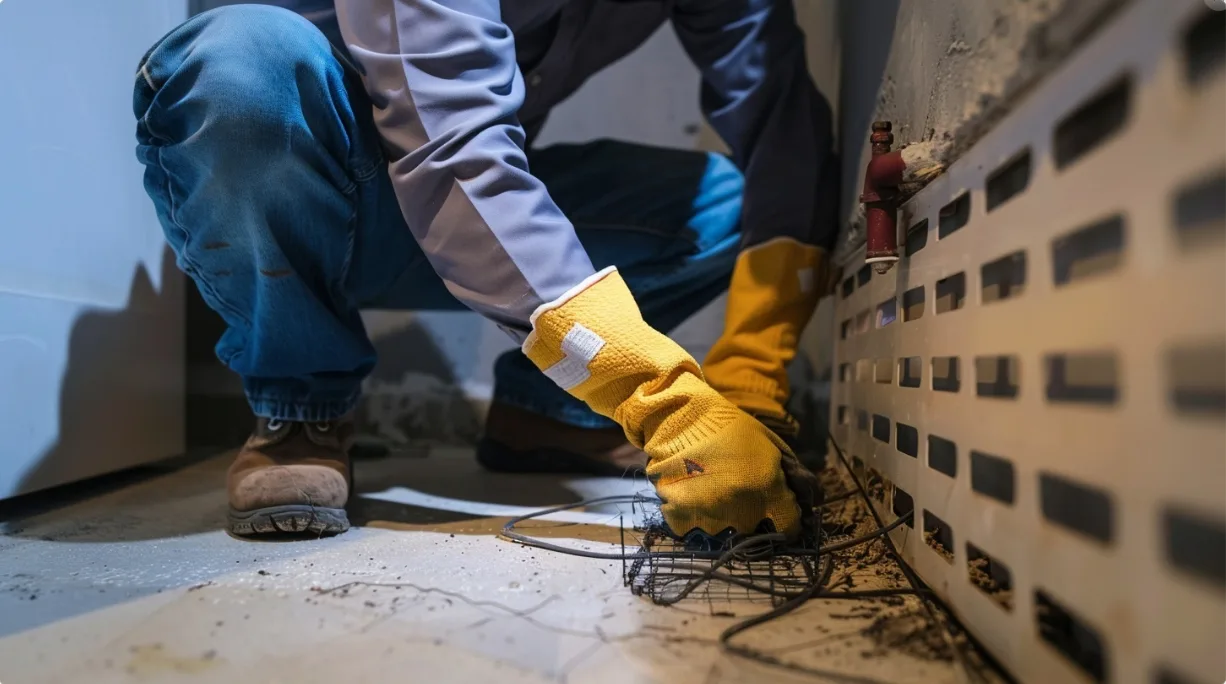
We strategically place traps and bait stations in areas of high activity, monitoring and adjusting placement as needed. Simultaneously, we identify and seal entry points using materials rodents cannot chew through, such as steel wool, metal flashing, and hardware cloth.

Preventing Rodent Infestations in Southern Indiana Properties

Once rodents are removed, maintaining a rodent-free environment depends on consistent prevention practices. Rodents are attracted to properties that offer food, water, and shelter, so reducing these attractants is essential.

Store food in sealed containers made of glass or heavy plastic. Keep pet food in secure bins and avoid leaving dishes out overnight. Eliminate water sources by repairing leaky faucets and ensuring proper drainage around the property. Remove clutter from basements, attics, and storage areas where rodents might nest undetected.

Exterior maintenance also plays a critical role. Trim tree branches and shrubs away from the building, store firewood off the ground and away from structures, and keep garbage in sealed containers. Inspect the building's exterior regularly for new gaps or damage that could provide rodent access.

Ongoing Monitoring and Follow-Up Services

Rodent control is most effective when combined with follow-up monitoring. After initial treatment, we schedule inspections to verify that rodent activity has ceased and that exclusion measures remain intact. This proactive approach helps catch potential issues before they develop into full infestations.

Properties with previous rodent problems, nearby wooded areas, or agricultural surroundings may benefit from ongoing monitoring services. Regular inspections and maintenance of exclusion points provide long-term protection and peace of mind for property owners throughout Southern Indiana.

FAQ

Frequently Asked Questions

Common signs include droppings near food storage areas, gnaw marks on baseboards and furniture, scratching or scurrying sounds in walls and ceilings, shredded paper or fabric used for nesting, grease marks along walls where rodents travel, and a distinctive musky odor in enclosed spaces. You may also notice damaged food packaging or small holes chewed through walls and flooring. If you observe any of these signs, a professional inspection can determine the extent of the problem and identify the species involved.

Rodents reproduce extremely quickly. A single female mouse can produce 5-10 litters per year with 5-6 pups per litter. Rats have slightly fewer litters but larger ones. Within weeks of entering a structure, a small rodent problem can become a significant infestation. This rapid reproduction rate makes early intervention critical. Professional rodent control targets breeding populations before numbers become unmanageable.

Rodents seek three basic necessities: food, water, and shelter. Properties with accessible food sources like pet food, bird seed, garbage, or unsealed pantry items are highly attractive. Water sources include leaky pipes, standing water, and pet dishes. Shelter opportunities include cluttered storage areas, overgrown vegetation near foundations, gaps in building exteriors, and undisturbed spaces like attics and crawlspaces. Reducing these attractants makes properties less appealing to rodents.

While store-bought traps may catch individual rodents, they rarely address the full scope of an infestation. Without proper inspection, you may not identify all entry points, nesting areas, or the true population size. Rodents that survive often become trap-shy and more difficult to control. Additionally, improper trap placement or bait selection reduces effectiveness. Professional rodent control includes comprehensive inspection, strategic trap placement, population monitoring, and exclusion work that prevents new rodents from entering.

Rodents can spread diseases through their droppings, urine, saliva, and the parasites they carry. Hantavirus, salmonella, and leptospirosis are among the pathogens associated with rodent infestations. Contaminated surfaces and airborne particles from dried droppings can affect indoor air quality. Rodents also introduce fleas, ticks, and mites that create secondary pest problems. Children, elderly individuals, and those with compromised immune systems face elevated risks from rodent-related contamination.

Professional exclusion involves identifying all current and potential entry points, then sealing them with materials rodents cannot chew through. This includes steel wool, metal flashing, hardware cloth, and cement. Common areas requiring exclusion work include gaps around utility penetrations, foundation cracks, damaged vents, spaces under doors, and openings where siding meets the foundation. Proper exclusion is essential for long-term rodent control, as new rodents will continue entering if access points remain open.

Mice and rats have different behaviors, dietary preferences, and habitat choices that require adjusted control strategies. Mice are more curious and will investigate new objects, while rats are neophobic and avoid unfamiliar items for several days. Rats require larger traps and bait stations, and they typically travel along established routes. Mice explore more widely and can fit through smaller openings. Accurate identification during inspection ensures appropriate treatment methods are applied for effective control.

Treatment timelines vary based on infestation severity, property size, and rodent species. Minor infestations may be controlled within 1-2 weeks, while larger populations or complex properties may require several weeks of active treatment. Complete elimination involves reducing the existing population, sealing entry points, and monitoring for continued activity. Follow-up inspections verify that rodent activity has ceased and that exclusion measures are functioning properly.

Yes, rodents cause significant structural damage through their constant gnawing behavior. They chew through electrical wiring, creating fire hazards and requiring costly repairs. Insulation is often damaged or displaced as rodents create nesting areas and travel routes. Wood framing, plastic pipes, and stored items are also at risk. The longer rodents remain in a structure, the more extensive the damage becomes. Prompt professional treatment minimizes property damage and associated repair costs.

📍 On the map

Get Your Free Estimate Today

Contact us today for professional service and free estimates

Call Now

Why Choose Derrek's Pest Control for Rodent Removal

Southern Indiana's Trusted Rodent Elimination Experts

Derrek's Pest Control brings extensive experience in rodent management to residential and commercial properties across Southern Indiana, using proven methods that address both active infestations and long-term prevention.

1
Licensed pest control professionals with specialized training in rodent behavior and exclusion techniques
2
Thorough inspections that identify all entry points, nesting areas, and contributing conditions
3
Integrated approach combining trapping, exclusion, and sanitation guidance for lasting results

Our Complete Rodent Control Process

Systematic approach ensures thorough elimination and prevention

Our comprehensive rodent control process addresses every aspect of the infestation, from initial assessment through follow-up monitoring, ensuring complete removal and protection against future problems.

1
Initial Consultation: Contact our office to discuss your rodent concerns and schedule a property inspection
2
Detailed Property Inspection: Examine interior and exterior areas to identify rodent species, activity levels, and entry points
3
Entry Point Documentation: Locate and document all current and potential access points that require sealing
4
Customized Treatment Plan: Develop a strategy tailored to your property's specific rodent problem and structural characteristics