
Tick Control in Southern Indiana

Reach out today for your free, no-obligation estimate.

Call Us Now
Phone: (930) 237-0836
Reviews (102):
4.9/5

Local Expertise

We understand the tick challenges specific to Southern Indiana. Our team knows the local species, their habits, and the most effective control methods for our area.

Thorough Protection

From your lawn to wooded edges, we treat the areas where ticks live and wait. Our approach reduces tick populations and helps protect your family and pets.

Caring Service

We work around your schedule and take time to answer your questions. You'll always speak with someone who genuinely cares about solving your tick problem.

Get Your Free Estimate Today

Contact us today for professional service and free estimates

Call Now

Professional Tick Control Services in Southern Indiana

If you've found ticks on your pets, noticed them in your yard, or simply want to reduce your family's exposure risk, we're here to help. Ticks are more than just a nuisance—they can carry diseases that affect both people and animals. Our tick control services focus on reducing tick populations in the areas where your family spends time outdoors.

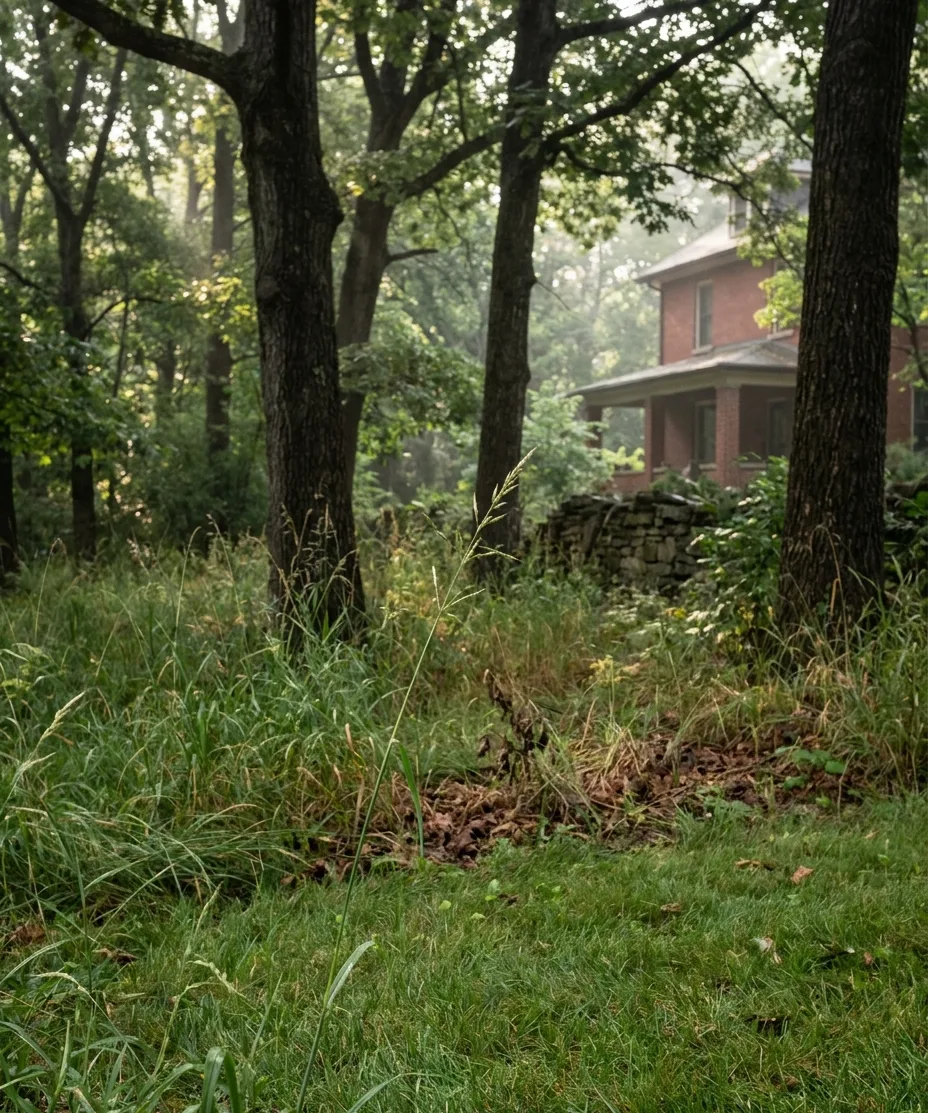
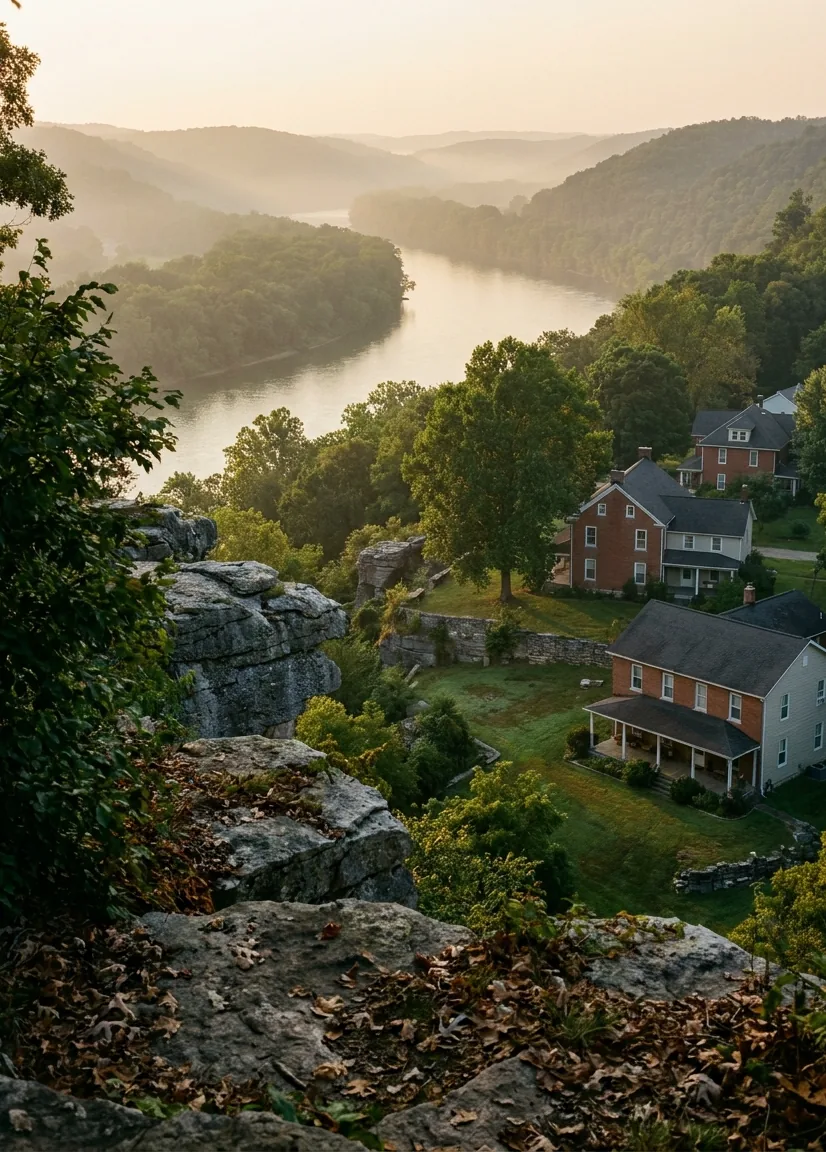
Southern Indiana's wooded landscapes, tall grasses, and humid summers create ideal conditions for several tick species. Deer ticks, lone star ticks, and American dog ticks are all active in our region, especially during warmer months. These pests don't jump or fly—they wait on vegetation and latch onto people or animals that brush past.

We start every service with a careful inspection of your property. We look for the areas ticks prefer: shaded spots near woods, overgrown grass, leaf litter, brush piles, and areas where wildlife travel. Understanding where ticks are most active helps us create a treatment plan that targets the highest-risk zones around your home.

Understanding Tick Behavior and Risks

Ticks go through several life stages, and they need a blood meal at each stage to develop. They're most active from spring through fall, though some species remain active during mild winter days. Once they attach, they can feed for several days if not removed.

The longer a tick remains attached, the greater the risk of disease transmission. That's why reducing tick populations in your yard is an important step in protecting your family's health and enjoying your outdoor spaces with greater peace of mind.

Targeted Tick Treatments for Your Property

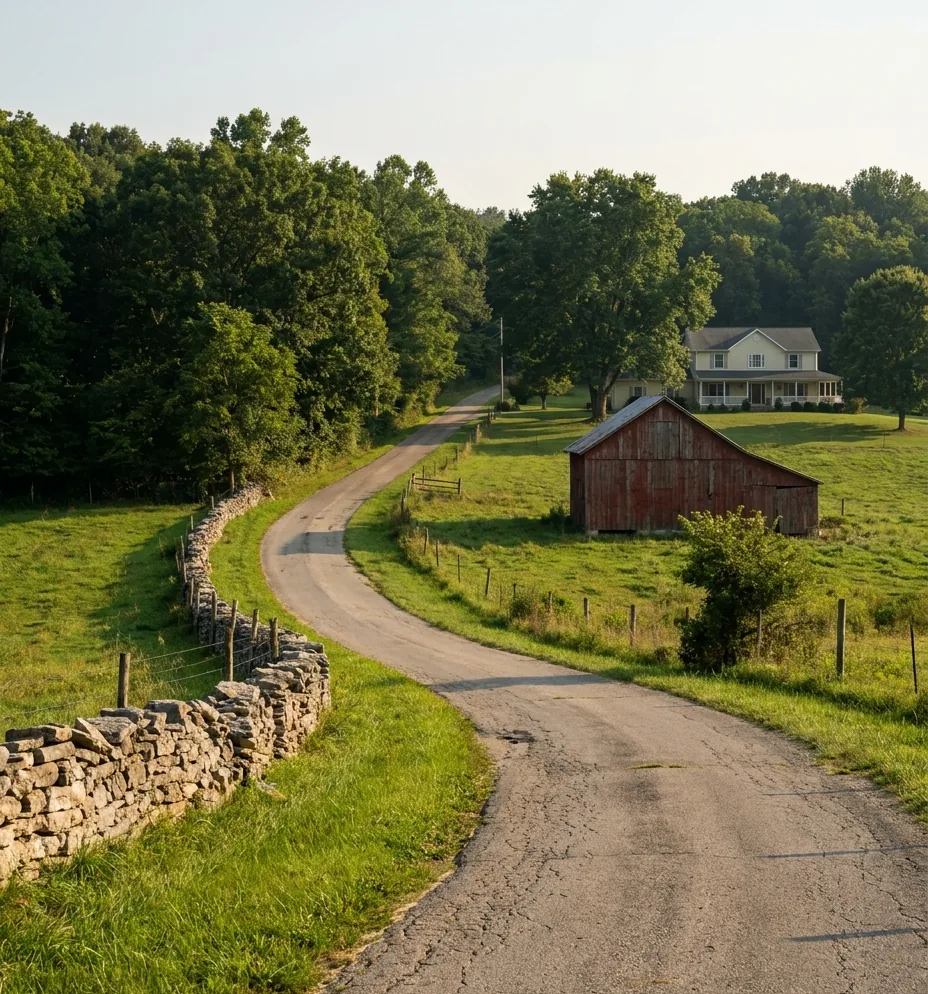
Effective tick control requires treating the specific areas where ticks live and wait for hosts. During our service, we focus on the transition zones between your lawn and wooded areas, along fence lines, around play equipment, and in shaded spots where pets rest or children play.

We use targeted treatments that reduce tick populations while being mindful of your family, pets, and the environment. Our applications are designed to reach the vegetation and ground cover where ticks are most likely to be found. We also provide recommendations on landscaping changes that can make your yard less attractive to ticks, such as keeping grass trimmed, removing leaf litter, and creating barriers between wooded areas and recreational spaces.

Timing matters with tick control. Multiple treatments throughout the season provide better protection than a single application, since new ticks can be brought onto your property by wildlife or migrate from neighboring areas.

Why Professional Tick Control Makes a Difference

Many homeowners try over-the-counter sprays or foggers before calling us. These products often provide limited coverage and may not reach the areas where ticks actually live. Without understanding tick biology and behavior, it's easy to miss the zones that need the most attention.

Professional tick control combines proper product selection, correct application methods, and knowledge of tick habitats to deliver meaningful reduction in tick populations around your home.

Protecting Your Family from Tick Exposure

Along with professional treatments, there are practical steps you can take to reduce tick encounters. When spending time outdoors, wear light-colored clothing that makes ticks easier to spot, tuck pants into socks when walking through tall grass or wooded areas, and perform thorough tick checks on family members and pets after outdoor activities.

Create a tick-safe zone in your yard by maintaining a border of wood chips or gravel between your lawn and wooded areas. Keep playground equipment, decks, and patios away from yard edges and trees. Stack woodpiles neatly in dry areas away from the house, and keep bird feeders away from play areas, since they attract rodents and other small animals that carry ticks.

Regularly mowing your lawn and clearing brush reduces the humid, shaded conditions ticks prefer. Removing leaf litter and clearing tall grasses around your home's perimeter also helps. These habitat modifications, combined with professional treatments, create a more comprehensive approach to tick management.

Seasonal Tick Activity in Southern Indiana

Tick activity in our area typically increases in spring as temperatures warm and continues through summer and fall. Different tick species are active at different times, which is why season-long protection is more effective than single treatments. Even during cooler months, ticks can remain active on days when temperatures rise above freezing.

Regular monitoring and appropriately timed treatments help maintain lower tick populations throughout the active season. We work with you to develop a treatment schedule that fits your property's needs and your family's outdoor activity patterns. By staying ahead of tick populations, you can enjoy your yard with greater confidence and less worry about these unwanted pests.

FAQ

Frequently Asked Questions

The most common ticks in our region include the American dog tick, the lone star tick, and the blacklegged tick (also called the deer tick). Each species has slightly different activity patterns and preferred habitats, but all can be found in yards with wooded edges, tall grass, and areas visited by wildlife. American dog ticks are often found along paths and trails, lone star ticks prefer dense vegetation, and deer ticks are commonly found in wooded and brushy areas.

Re-entry times vary depending on the products used and the areas treated, but we typically recommend waiting until treated surfaces are completely dry—usually 1-2 hours. We provide specific instructions after each service based on weather conditions and the treatment methods used. Once dry, treated areas are safe for normal family activities and pet access.

A single treatment can significantly reduce tick populations, but complete elimination is difficult because ticks can be reintroduced by wildlife, pets, or from neighboring properties. Multiple treatments throughout the active season provide better long-term control. Most homeowners see the best results with a seasonal program that includes 3-5 treatments from spring through fall, targeting ticks at different life stages and maintaining protection as new ticks arrive.

📍 On the map

Get Your Free Estimate Today

Contact us today for professional service and free estimates

Call Now

Why Choose Derrek's Pest Control for Tick Protection

Southern Indiana's Trusted Tick Control Specialists

We've been protecting families and properties throughout Southern Indiana from tick-borne risks with effective treatments and personalized service that puts your safety first.

1
Experienced technicians trained in tick biology, behavior, and the most effective control methods
2
Thorough property inspections identify high-risk areas where ticks are most likely to be present
3
Treatments focused on protecting the outdoor spaces your family and pets use most
4
Knowledge of local tick species and seasonal activity patterns specific to Southern Indiana
5
Flexible scheduling and rapid response times to address your tick concerns quickly
6
Clear communication about treatment plans, safety precautions, and prevention strategies
7
Seasonal treatment programs designed to maintain protection throughout tick-active months
8
Family-owned business committed to the health and safety of our neighbors
9
Practical advice on habitat modifications and personal protection measures

Our Complete Tick Control Process

Systematic approach to reducing tick populations on your property

We follow a careful, step-by-step process to identify tick habitats, treat high-risk areas, and help you maintain a safer outdoor environment for your family and pets.

1
Free Consultation: Contact us to discuss your tick concerns and schedule a property evaluation
2
Property Inspection: Walk your property to identify tick habitats, risk zones, and areas needing treatment
3
Species Identification: Determine which tick species are present to ensure appropriate treatment methods
4
Custom Treatment Plan: Design a service plan based on your property's layout, vegetation, and usage patterns
5
Targeted Application: Treat vegetation, ground cover, and transition zones where ticks are most active
6
Habitat Recommendations: Provide guidance on landscaping changes that reduce tick-friendly conditions
7
Safety Instructions: Explain re-entry times and any precautions for children, pets, and outdoor activities
8
Service Documentation: Leave detailed records of treatment areas, products used, and follow-up recommendations
9
Follow-Up Communication: Check in to ensure you're satisfied and answer any questions about ongoing protection